Morocco’s World Cup victory over Netherlands sparks celebrations and debate
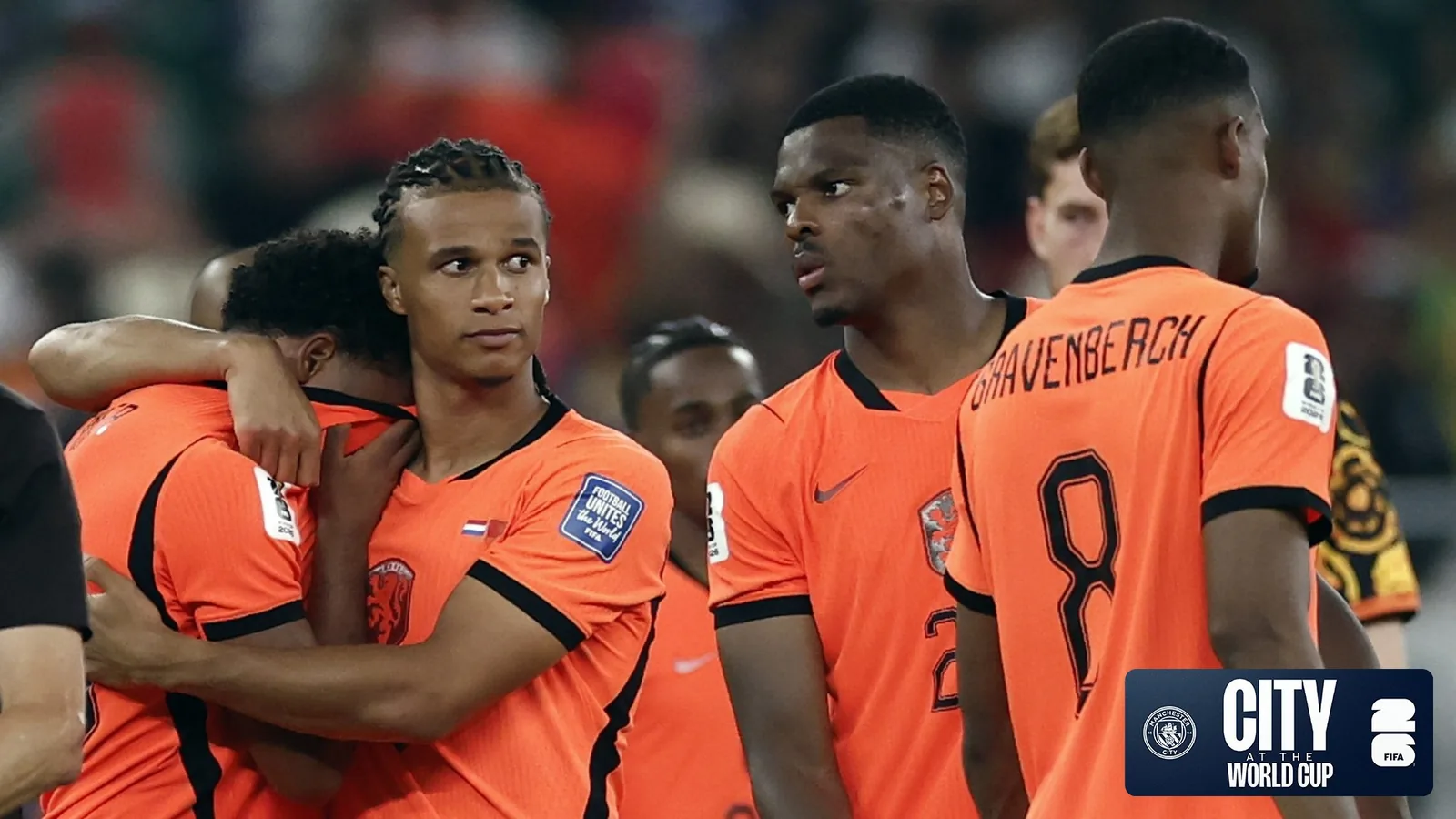

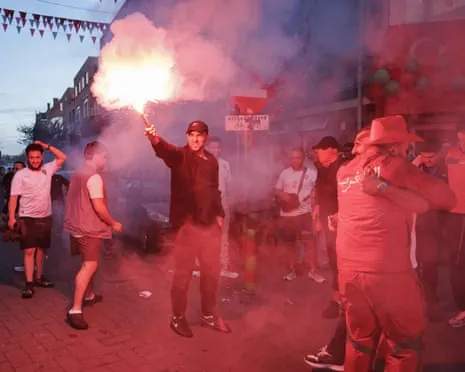
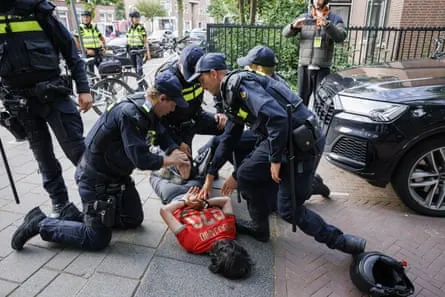
Celebrations erupted in parts of the Netherlands following Morocco‘s dramatic victory over the Dutch national team in a World Cup last-32 tie. The match, which concluded in a penalty shootout, saw Morocco advance to the next round, sparking joyous scenes among the Moroccan community in Amsterdam. However, the atmosphere in The Hague reportedly turned confrontational, with police facing bottle and fireworks attacks.
The fixture held significant cultural weight in the Netherlands, home to approximately 440,000 people of Moroccan descent. Ahead of the game, many faced questions about which team they would support. While former manager Ron Jans openly discussed this dilemma with pundit Ibrahim Afellay on Dutch television, Afellay expressed and explained his support for Morocco. In general, reactions in the real world were often understanding, regardless of individual team preference.
The online discourse, however, presented a different picture, influenced by far-right politician Geert Wilders. Wilders, known for his past comments regarding the Moroccan community in the Netherlands, posted an AI-generated image on X depicting himself as a referee issuing a red card to a Moroccan player before the match. He later used X to congratulate Morocco on their win.
The debate surrounding social cohesion is expected to continue, yet the camaraderie observed among fans in Amsterdam highlighted a more harmonious reality compared to online interactions. In the western part of the capital, an area with a substantial Moroccan population, celebrations remained peaceful. Cafes decorated with orange flags and bars staying open contributed to the festive mood, with spectators at Het Sieraad showing support for both teams without issue. Individuals in orange shirts applauded Morocco‘s team.
Match details and player performances
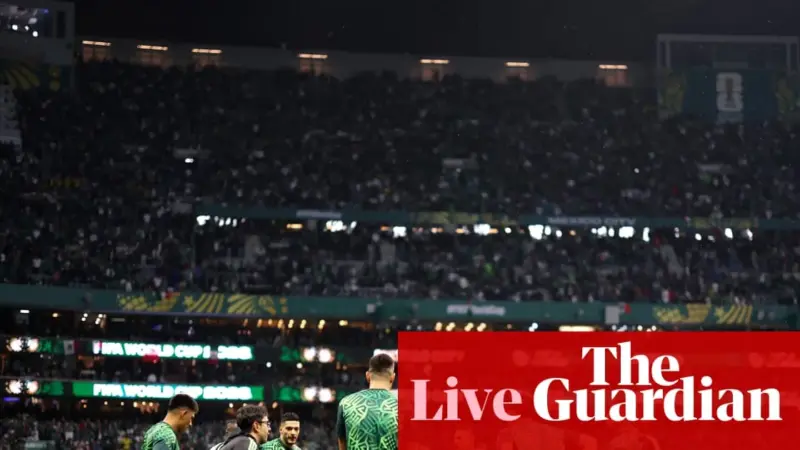
The game itself was a closely contested affair. Nathan Ake started for the Dutch side in Monterrey, Mexico. The score remained 1-1 after 90 minutes, with no additional goals in extra time. Morocco, who were semi-finalists in the previous World Cup, posed a significant threat throughout the match. Achraf Hakimi, earning his cap, hit the crossbar, and Brighton goalkeeper Bart Verbruggen made several crucial saves to keep the game level.
The Netherlands took the lead with 18 minutes remaining when Cody Gakpo scored. However, Issa Diop‘s powerful header in stoppage time brought the African side level. Chelsea player Jorrel Hato made his World Cup debut, coming on as a substitute for the Netherlands with four minutes left in normal time. Manchester City midfielder Tijjani Reijnders remained on the bench despite the match progressing to a penalty shootout.
In the shootout, the Dutch missed three of their spot-kicks. Ismail Saibari then converted the decisive penalty, securing a 3-2 victory for Morocco and sending them into the last-16, where they are scheduled to face Canada. Brazil and Paraguay also advanced to the next round after their respective victories against Japan and Germany.
Post-match incidents and community reactions
An hour after Morocco‘s win, the Dutch public broadcaster NOS reported that police in The Hague were targeted with bottles and fireworks. Regional news station Omroep West stated that at least 10 individuals, believed to be Moroccan fans, were arrested in The Hague following attacks on police. Additionally, the newspaper Algemeen Dagblad reported that four Moroccan fans were arrested in Rotterdam, though the reasons for these arrests were not specified.
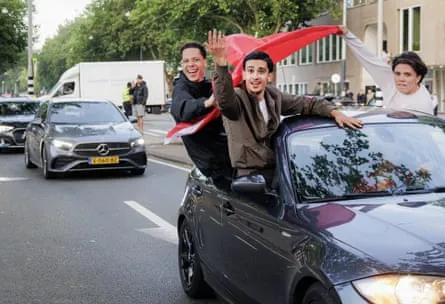
In Amsterdam, the atmosphere was markedly different. After the match, dozens of Moroccan fans drove through the streets, honking car horns and waving flags. Dutch fans were observed congratulating their opponents, exchanging hugs, and pledging their support for Morocco for the remainder of the tournament. Despite previous incidents after some Morocco games, Mercatorplein square, a known site for such occurrences, remained peaceful on this occasion, with only a few police officers deployed. The morning in Amsterdam was characterised by unbridled joy following the football match.
Three members of Morocco‘s squad were born in the Netherlands, including Noussair Mazraoui, Sofyan Amrabat, and Anass Salah-Eddine, all of whom chose to represent Morocco. This decision has been a point of discussion, with some politicians and commentators questioning their loyalty to their country of birth. The rise of certain right-wing parties has been cited by Dutch-Moroccan players as a reason for increasingly siding with Morocco.
The victory means Morocco will progress to the last-16 stage of the World Cup.
Read Also
- Ben Stokes confirms international retirement, rejects suggestions of return
- Manchester City appoints Enzo Maresca as head coach, succeeding Pep Guardiola
- Morocco advance to last 16 after penalty shootout victory over Netherlands
- Leeds star Ao Tanaka in tears after World Cup exit, Manchester United player offers comfort
Source: theguardian.com

As News GB's Senior Football Correspondent, Lewis Hartnell reports on the Premier League, the EFL and the England national side for readers across the country. He reported on south-coast football for a regional title. He holds a degree in Sports Journalism from Solent University and completed an NCTJ diploma. Lewis lives in Southampton, where he watches youth football and follows the transfer market. “The week's training ground decides the weekend's headlines.”