World Cup 2026: A Tournament of Contrasts

Tournament Overview and Controversies
The recent World Cup 2026, hosted across the United States, Mexico, and Canada, concluded with Spain defeating Argentina in the final. This tournament was notable for its expanded format, featuring 48 teams for the first time, and was described by Fifa president Gianni Infantino as potentially the “biggest event in the history of mankind.” Despite the spectacle, the event was also characterised by significant controversies and political interventions.
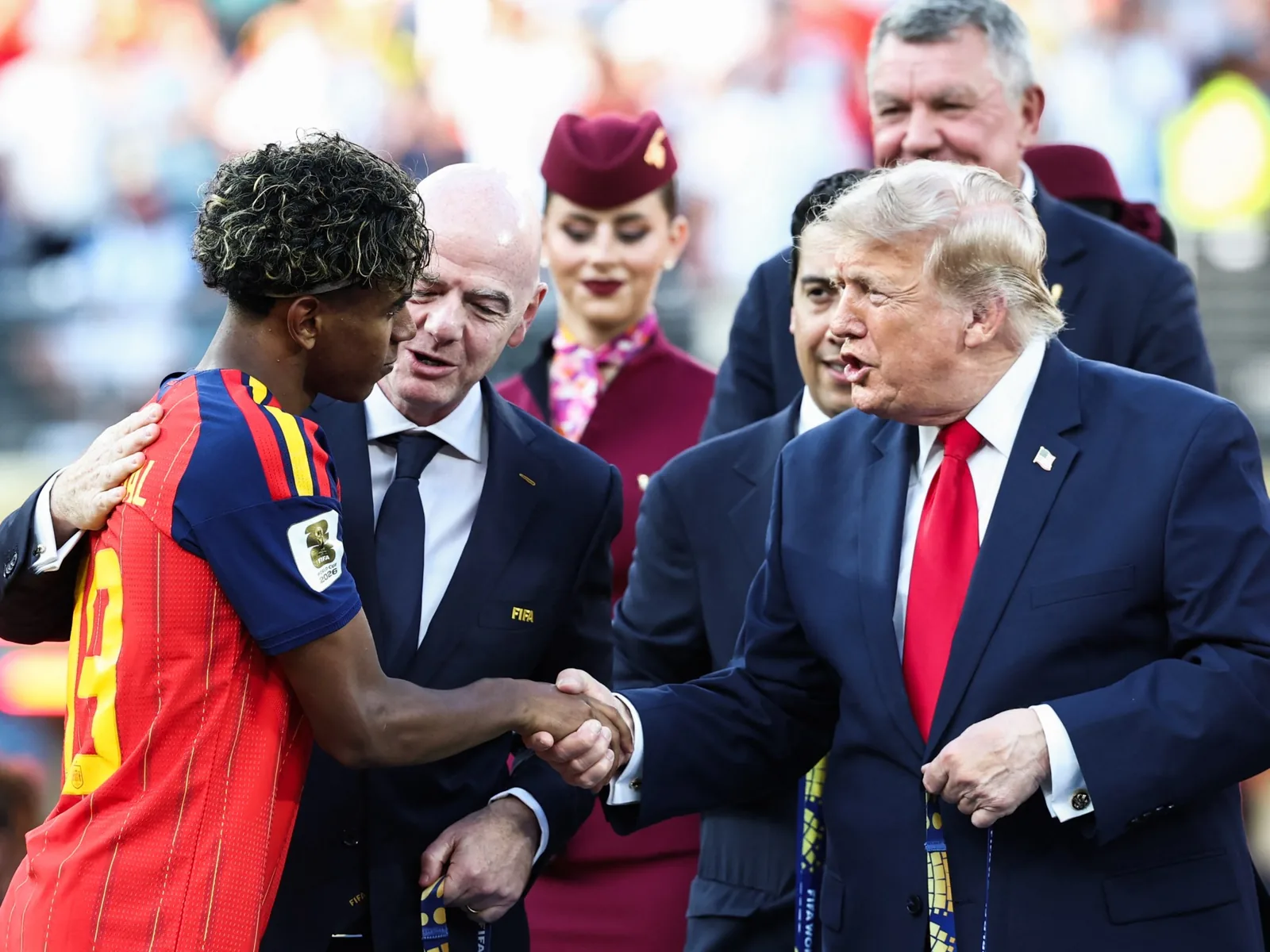
One of the most discussed incidents involved the US President Donald Trump, who remained on stage during the trophy presentation, delaying Spain captain Rodri’s moment to lift the trophy. Trump’s presence and actions highlighted the political undertones of the tournament. He also acknowledged making a call to Fifa officials regarding the suspension of striker Folarin Balogun.
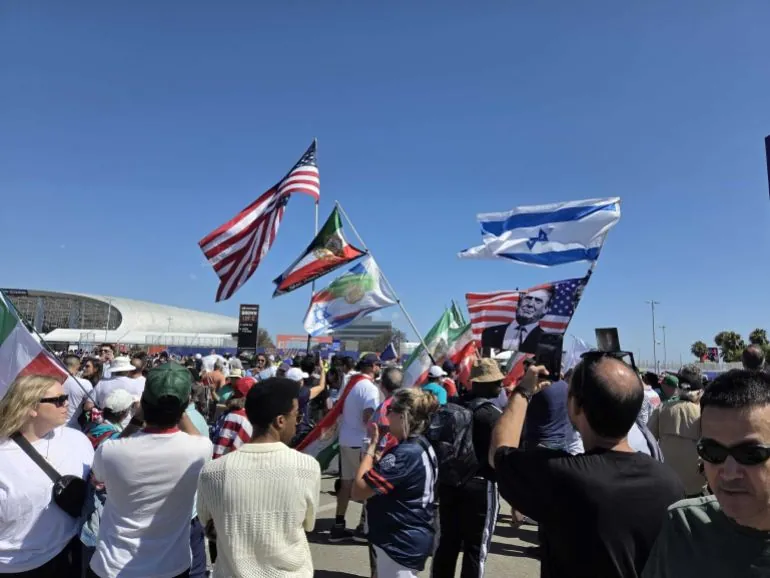
The treatment of Iran was another point of contention, with the team facing arbitrary travel restrictions and anti-government activists subjecting some Iranian fans to abuse and Islamophobic chants. The US Department of Homeland Security Secretary Markwayne Mullin publicly expressed happiness at Iran’s elimination from the group stage. These events contributed to the perception that the tournament had become a “political summit” for some observers.
Impact on Fans and Organisation
The tournament’s accessibility for ordinary fans became a major issue. High ticket prices effectively excluded many working-class supporters. For instance, Juan Cortes, a mechanic in Los Angeles, expressed his inability to attend matches despite the stadium being close to his shop. Fifa also implemented a fee on resold tickets through its secondary platform, further increasing costs.
Organisational challenges were also evident, with some venues, such as Houston and Atlanta, being welcoming, while others experienced poor basic organisation and facilities. This was seen as indicative of Fifa’s broader approach towards fans as “revenue units” and the media as an “irritating imposition.” The Italian newspaper la Gazzetta dello Sport even labelled the World Cup a “disaster,” citing issues like ticket prices, the Balogun affair, weather conditions, and the increased number of games with reduced rest periods.
The host cities also faced scrutiny, particularly regarding social and environmental impacts. In the US and Canada, there were reports of street sweeps targeting homeless individuals, while in Mexico, concerns were raised about water extraction and environmental damage linked to World Cup projects. These issues suggest that the true cost to host cities may only become apparent in retrospect.
On-Pitch Action and Rule Changes
From a footballing perspective, the tournament delivered a mix of good but not consistently great matches. While there were thrilling encounters in the earlier stages, such as Brazil against Japan and Argentina against Cape Verde, the quarter-finals were less inspiring. The final match itself was described as a “dismal, awful affair.”
The expansion to 48 teams introduced new participants like Curacao, Cape Verde, Jordan, and Uzbekistan. Cape Verde’s performance, including draws against Spain and Uruguay and taking Argentina to extra time, was a notable “Cinderella story.” However, the expanded group stage was criticised for diluting the quality, especially with the use of head-to-head records over goal difference as a tie-breaker.
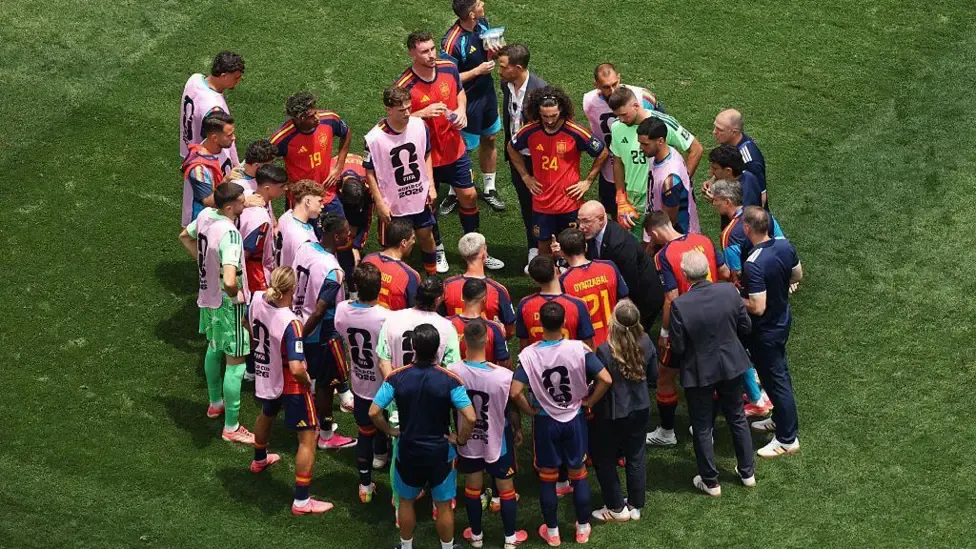
New rules and policies also influenced the game. Mandatory three-minute hydration breaks, regardless of weather conditions, allowed broadcasters to air commercials and coaches to conduct tactical discussions, altering the flow of several matches. Fifa’s head of referees, Pierluigi Collina, introduced measures to combat time-wasting, resulting in a slight increase in ball-in-play time compared to the 2022 tournament, with an average match length of 96 minutes 24 seconds, excluding hydration breaks.
Fifa’s new seeding policy aimed to prevent top-ranked teams from meeting early in the knockout rounds, ensuring that Argentina, England, France, and Spain were drawn into separate quarters. This policy also sought to keep the top two ranked teams, Argentina and Spain, apart until the final, which was achieved by swapping Argentina into Group J and France into Group I.
The World Cup 2026, while showcasing football’s ability to unite and provide moments of joy, also highlighted significant contradictions and political complexities, leaving many to reflect on its broader implications beyond the pitch.
Read Also
Source: theguardian.com

Amelia Stockwell is a Sports Reporter at News GB. She covered two Commonwealth Games for a national outlet. She focuses on tennis, cricket and athletics and is known for clear, deadline-driven reporting. She holds a degree in Sport and Media from the University of York and completed an NCTJ diploma. Now based in York, she runs with a local club and follows county cricket. “The quiet stories often matter most by the end of the season.”