Uruguay departs World Cup amid internal strife and manager’s exit
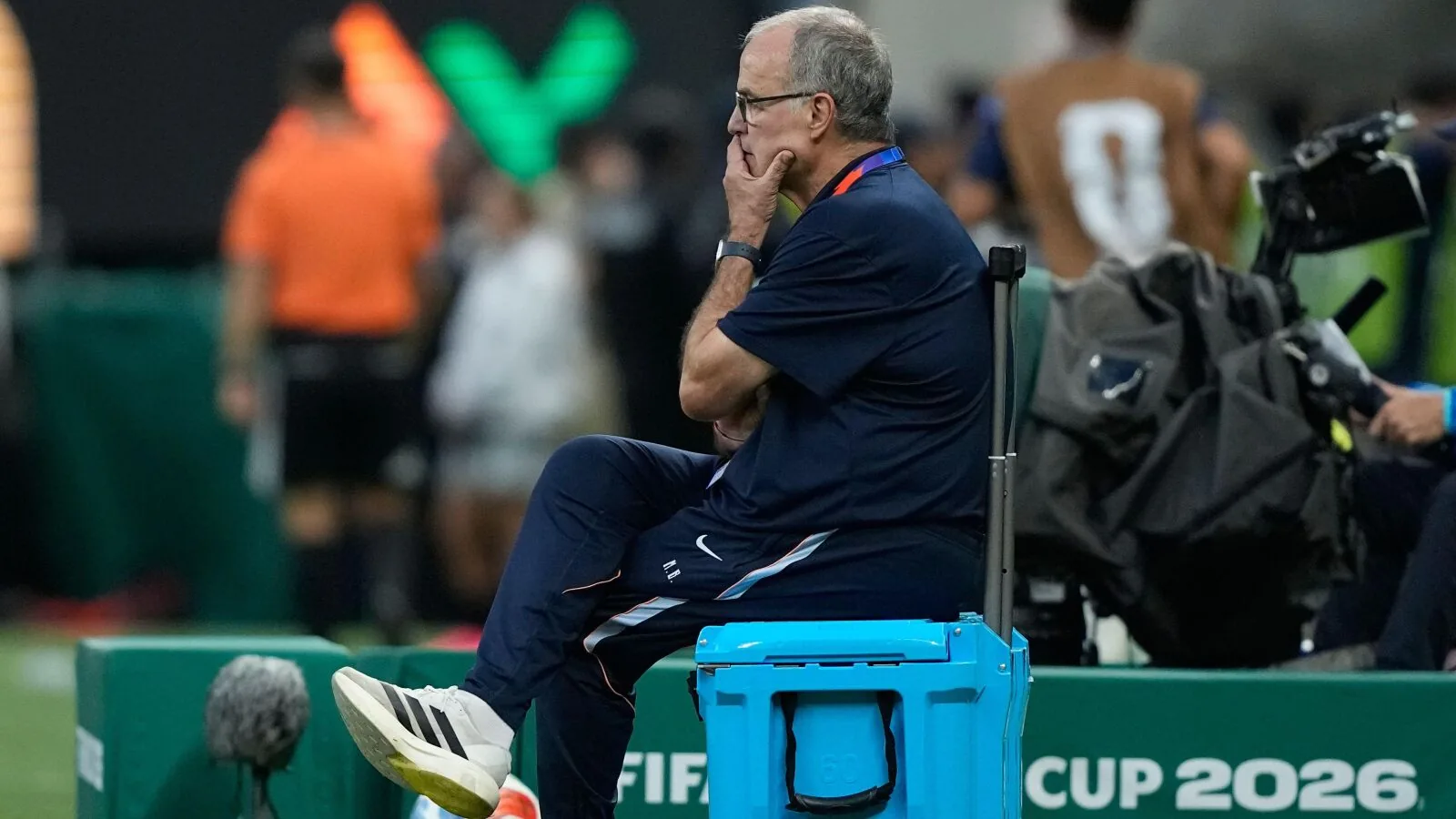

Uruguay’s World Cup exit
Uruguay has exited the World Cup at the group stage following a campaign marked by internal disagreements and individual errors. The team’s departure comes after a 1-0 defeat to Spain, a match where a mistake from goalkeeper Fernando Muslera contributed to the decisive goal. This marks the second consecutive World Cup where Uruguay has not advanced beyond the group phase.
The team’s performance included disappointing draws against Cape Verde and Saudi Arabia in their initial two games. These results meant that Uruguay needed at least a draw in their final group match to maintain any hope of progressing to the next round.
The match against Spain saw Muslera replaced at half-time. Reports indicate that the goalkeeper had been at fault for goals conceded in earlier matches, including both of Cape Verde‘s goals in a 2-2 draw. Manager Marcelo Bielsa later stated that Muslera decided to come off at half-time.
Managerial decisions and team unrest
Marcelo Bielsa, at 70 years old, is departing his role as manager following the team’s exit. His tenure ended with considerable disappointment and acrimony. This marks another instance of a World Cup campaign under Bielsa concluding with a group stage exit, similar to his experience with Argentina in 2002.
A notable decision during the Spain match was the substitution of Federico Valverde after less than an hour. Bielsa explained that he replaced Valverde with Federico Vinas to introduce a more physical presence in the attack. This change followed an earlier midfield adjustment due to the loss of Manuel Ugarte to injury.
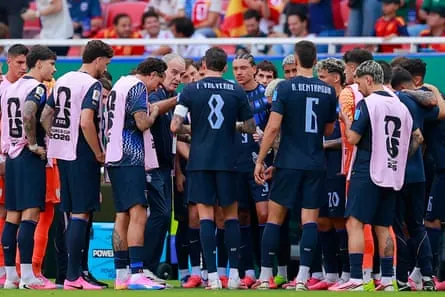
Reports of unrest within the Uruguayan camp circulated throughout the tournament. A group of senior players, including Sergio Rochet, Manuel Ugarte, Rodrigo Bentancur, and Federico Valverde, reportedly requested a meeting with Bielsa before the final group game. They expressed concerns about the intensity of training, which they believed contributed to injuries, and suggested a change in tactical approach for the match against Spain, advocating for a low block and counter-attacking strategy.
Bielsa, known for his distinct tactical philosophy, reportedly denied these requests. During a team meeting that lasted 48 minutes, he informed the players of his intention to mirror Spain‘s style of play and explained his reasons for including injured but loyal players in the squad. He also reportedly accused the squad of attempting to remove him previously, referencing Luis Suárez‘s retirement from international football almost two years prior, which involved a tirade against the manager, and the exclusion of Nahitan Nández from the World Cup squad.
The meeting reportedly saw several players walk out after approximately 40 minutes, despite attempts by defender José María Giménez to persuade them to stay. Ronald Araújo, a defender who did not play in the first two games, reportedly commented on the situation, stating that the situation could not be endured much longer.
Post-match reactions and reflections
Following the 1-0 defeat to Spain, Bielsa expressed his responsibility for the team’s early exit. He acknowledged that journalists and fans would legitimately place the blame on him, stating, “I’m the person responsible and I have to accept it.” He also reflected on his time with the national team, suggesting it left little behind if results were not achieved.
The manager’s frustrations were evident in a post-match interview where he reportedly shouted “get on with it” at a journalist. He maintained that the decision to keep faith with Muslera, despite his errors, was based on the goalkeeper’s previous performance and strong character, though he conceded it ultimately backfired.
The tournament ended in a contentious manner with Agustín Canobbio receiving a red card for a foul. This incident, along with earlier altercations with the referee, contributed to an atmosphere of ill-discipline surrounding Uruguay‘s departure. Bielsa‘s record at World Cups includes a group stage exit with Argentina in 2002 and a last-16 finish with Chile in 2010. His time with Uruguay saw the team unable to secure victories against Saudi Arabia or Cape Verde.
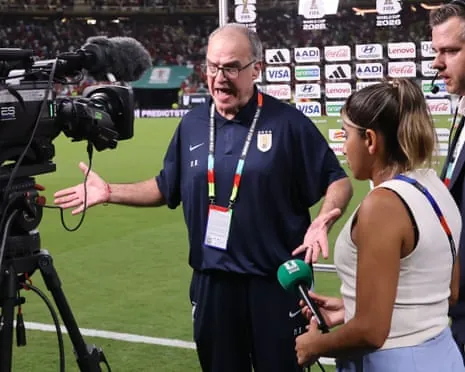
While Bielsa‘s legacy in tactical history is considered secure, this tournament has been described as dreadful for both him and Uruguay. He is 70 years old, and it is considered likely that this will be his final appearance as a manager at a World Cup.
Read Also
Source: theguardian.com

Amelia Stockwell is a Sports Reporter at News GB. She covered two Commonwealth Games for a national outlet. She focuses on tennis, cricket and athletics and is known for clear, deadline-driven reporting. She holds a degree in Sport and Media from the University of York and completed an NCTJ diploma. Now based in York, she runs with a local club and follows county cricket. “The quiet stories often matter most by the end of the season.”