Atlanta: Argentina ‘shocked’ by Tuchel’s substitutions in World Cup semi-final
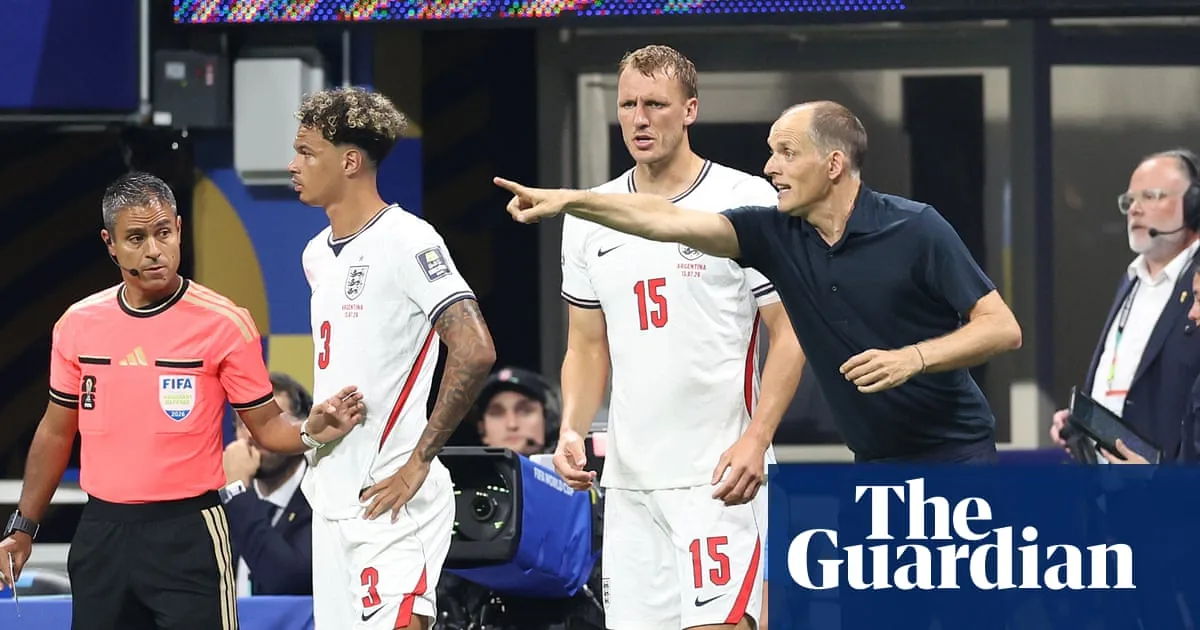

England’s World Cup semi-final against Argentina saw a dramatic turn of events following tactical decisions by manager Thomas Tuchel. After Anthony Gordon scored in the 55th minute to give England the lead, Tuchel’s subsequent defensive substitutions reportedly surprised the Argentina players, contributing to their late comeback victory.
The decision to adopt a deeper defensive stance rather than maintaining an attacking approach with pace proved pivotal. This tactical shift allowed Lionel Scaloni’s side to equalise through Enzo Fernandez in the 85th minute, before Lautaro Martinez secured the winning goal in stoppage time.
Tuchel’s Tactical Choices Under Scrutiny
The period between the 72nd and 92nd minutes in Atlanta has been highlighted as a critical phase where England’s play became entirely focused on defence. At 72 minutes, Tuchel responded to his team’s loss of shape and attacking threat by deploying a deep back five. By 82 minutes, England had six defenders on the pitch, a move that replaced any previous talk of energy and fearlessness with an attempt to hold on to the lead.
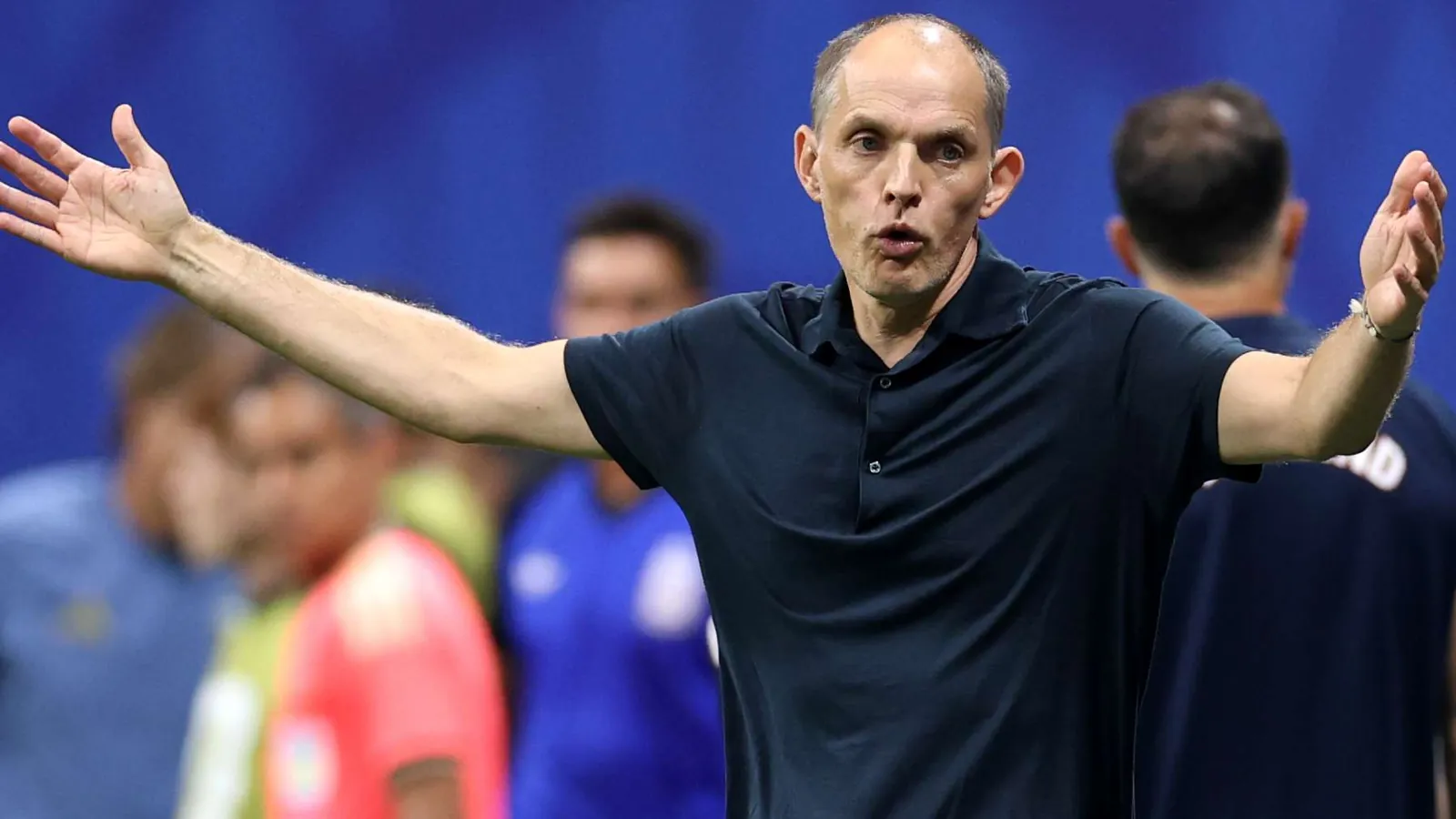
This approach had previously yielded narrow victories against Norway and Mexico. However, it proved ineffective against an Argentina side that included a player capable of exploiting any defensive space. The manager’s post-match comments in the Atlanta Stadium reflected his struggle to respond to the outcome, acknowledging that every choice made in a loss is scrutinised as wrong.
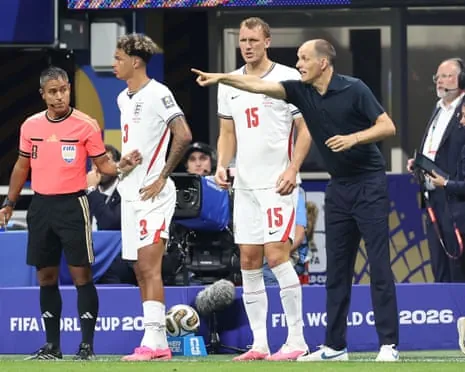
Despite the criticism, Tuchel’s overall performance in the tournament had been largely successful, with England beating the hosts and reaching the semi-finals. The fringe players in the squad appeared content and energised. The tactical misjudgment against Argentina contrasted with his earlier successes in the competition.
Wider Context of England’s Performance
The unravelling of England’s players on the pitch after taking the lead, 17 minutes earlier, is seen as the key event that Tuchel failed to address effectively. England’s tendency to cower, drop deep, and shrink from the moment when victory against Argentina seemed within reach mirrored past tournament exits.
Tuchel’s frustrations with this recurring pattern were evident in his earlier controlled explanation of failings after the Norway game, suggesting he had anticipated such a scenario. Despite his efforts to urge his team forward from the touchline and his animated attempts to fix things during a hydration break, the team’s ability to control the tempo and the ball in the late stages of the game diminished.
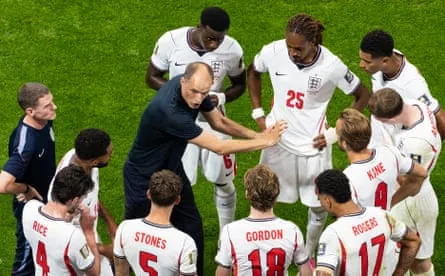
The lack of elite, self-governing midfielders with extreme possession-based craft has been identified as a contributing factor to England’s struggles in tight knockout games. This issue has been observed in previous losses, such as against Croatia in 2018 and Italy in 2021, where opponents effectively controlled the game.
The broader context suggests that while Tuchel may have failed to implement a quick fix, the underlying issue lies within the development of English football culture. The approach to finding external expertise, such as hiring a high-end club manager, has been questioned, especially given the short timeframe provided to address systemic issues. The Football Association’s plan, with its late start and focus on cost-saving, has been described as reflecting a culture of shortcuts and a lack of game intelligence at an executive level.
The article concludes by noting that international football rewards cultural connectivity, intelligence, and off-the-cuff creativity, areas where England’s development system for high-end controlling midfielders is seen as lacking.
Read Also
- Fifa investigating Argentina over Falklands banner after World Cup semi-final
- Cardiff: Root guides England to victory against India, levelling ODI series
- Marcus Rashford's Manchester United Future in Question as Exit Clause Expires
- Former England international calls for Thomas Tuchel's departure after World Cup exit
Source: goal.com

As News GB's Senior Football Correspondent, Lewis Hartnell reports on the Premier League, the EFL and the England national side for readers across the country. He reported on south-coast football for a regional title. He holds a degree in Sports Journalism from Solent University and completed an NCTJ diploma. Lewis lives in Southampton, where he watches youth football and follows the transfer market. “The week's training ground decides the weekend's headlines.”