Balogun’s Reaction to Red Card Reversal

Balogun’s Reaction to Red Card Reversal
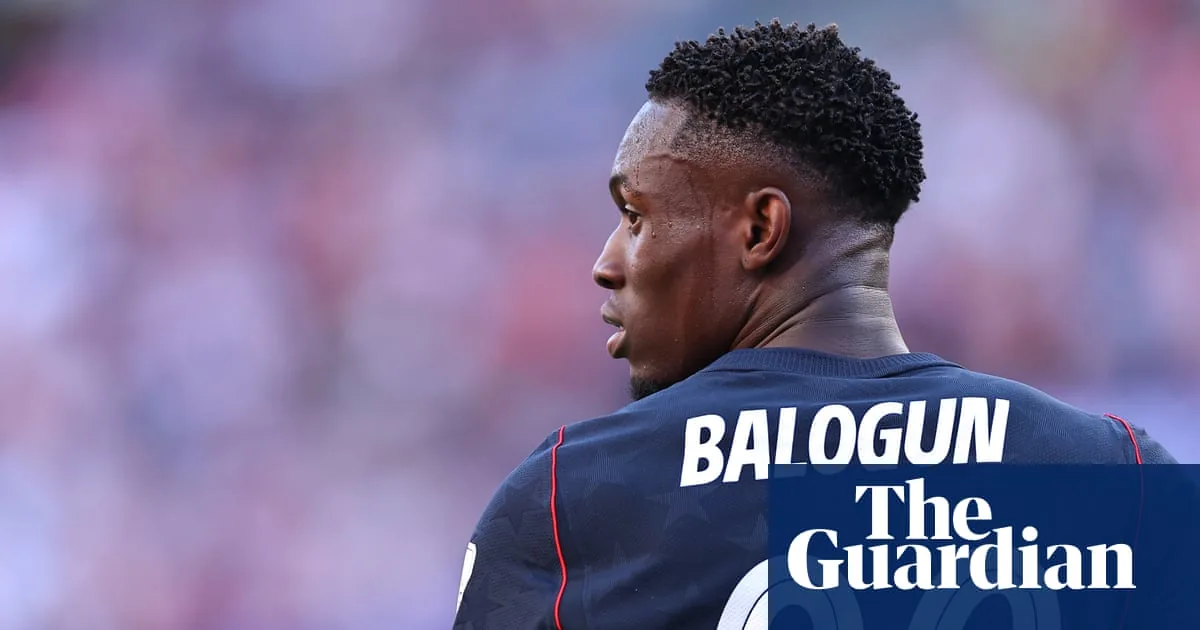
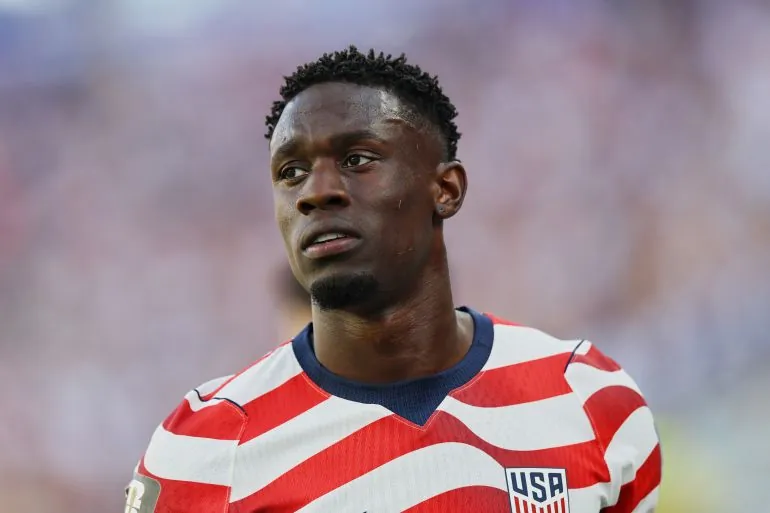
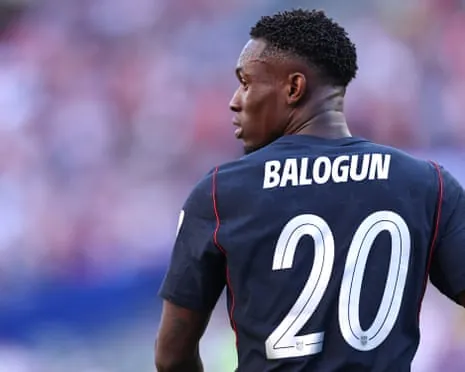
Folarin Balogun, a striker for the United States, has indicated he anticipated significant debate following FIFA’s decision to suspend his one-game ban during the World Cup. Balogun shared his thoughts on the incident in an interview on Tuesday, acknowledging that while he was pleased to rejoin his team, he knew the situation would generate considerable controversy.
Balogun noted that he observed some nervousness among his teammates, describing the situation as unique. Despite the external pressures, he focused on the upcoming match. The striker received a red card during the round-of-32 match against Bosnia and Herzegovina, which the US won 2-0. The red card was issued for an awkward step on Tarik Muharemovic’s right ankle, which typically results in an automatic one-game suspension.
The decision by FIFA to suspend this ban, which allowed Balogun to play against Belgium, sparked widespread discussion within the football community. Critics suggested that overturning a red card suspension due to direct political intervention could undermine the integrity of the tournament and establish a problematic precedent. This sentiment was echoed by Belgium’s football association, Europe’s top football body, a former FIFA boss, and several prominent former players.
Controversy and Team Response
Balogun admitted that the period following the red card was confusing for him. Initially, he adopted a supportive role in training to maintain team morale. He later learned about the decision to clear him to play while on the team bus, a moment he described as filled with excitement from his teammates.
The US president confirmed he had asked FIFA chief Gianni Infantino to review the call, stating he did not believe it was a foul. Infantino acknowledged the call but maintained that FIFA’s Disciplinary Committee was already reviewing the red card and that the president’s intervention did not influence the final decision. The disciplinary committee ultimately suspended the ban.
Despite the controversy, Balogun stated that his teammates offered him considerable reassurance. He expressed that he was in shock when he initially received the red card, believing that unintentional actions should not result in such a penalty. He felt the situation added unnecessary pressure on the team.
Impact on the Match and Future Outlook
Balogun maintained that separating emotion from the task at hand was not overly difficult for the team once the initial announcement of his return was made. The US ultimately lost to Belgium in the round of 16, with Balogun finding it challenging to make a significant impact on the game, despite having scored three goals earlier in the tournament.
The victory over Bosnia and Herzegovina marked the US men’s national team’s first World Cup knockout round win since 2002. Balogun expressed pride in being part of the team’s journey and felt that they were able to unite the country through their performance. He also indicated his expectation to play for the US in the next World Cup.
Human rights group FairSquare submitted a complaint to the International Olympic Committee, alleging that Infantino breached rules on political neutrality in his dealings with the US president. This complaint cited the handling of the Balogun case as one of several alleged breaches of the Olympic Charter and the IOC’s code of ethics. FairSquare had previously made a similar complaint to FIFA’s ethics committee, which was acknowledged but without further information.
The Norwegian football federation also wrote to FIFA’s ethics committee, requesting consideration of FairSquare’s complaint. Additionally, fifty members of the European Parliament urged the same committee to address the complaint on June 29.
Read Also
Source: aljazeera.com

Reuben Castle is the Sports News Writer at News GB, covering rugby union, golf and boxing with six years of reporting experience. He moved from print into digital sport news. He holds a degree in Journalism from Coventry University and completed an NCTJ diploma. Based in Coventry, he follows the Open Championship and amateur boxing. “Accuracy first; the analysis can follow.”