Edinburgh raid uncovers fake football shirts worth millions

Major Counterfeit Operation in Edinburgh
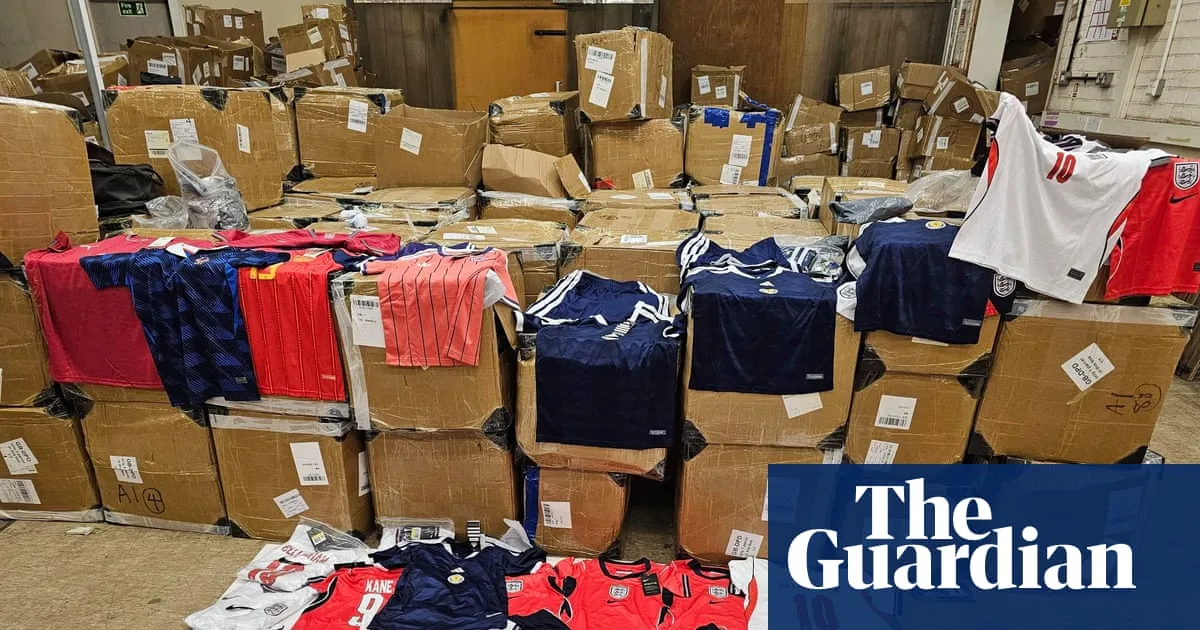
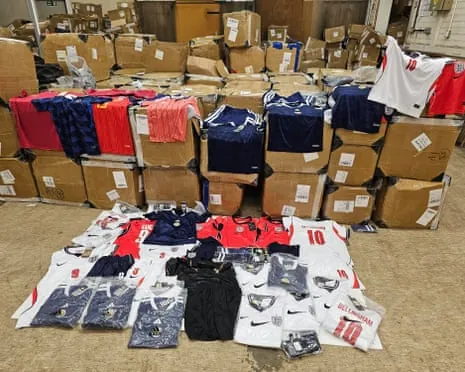
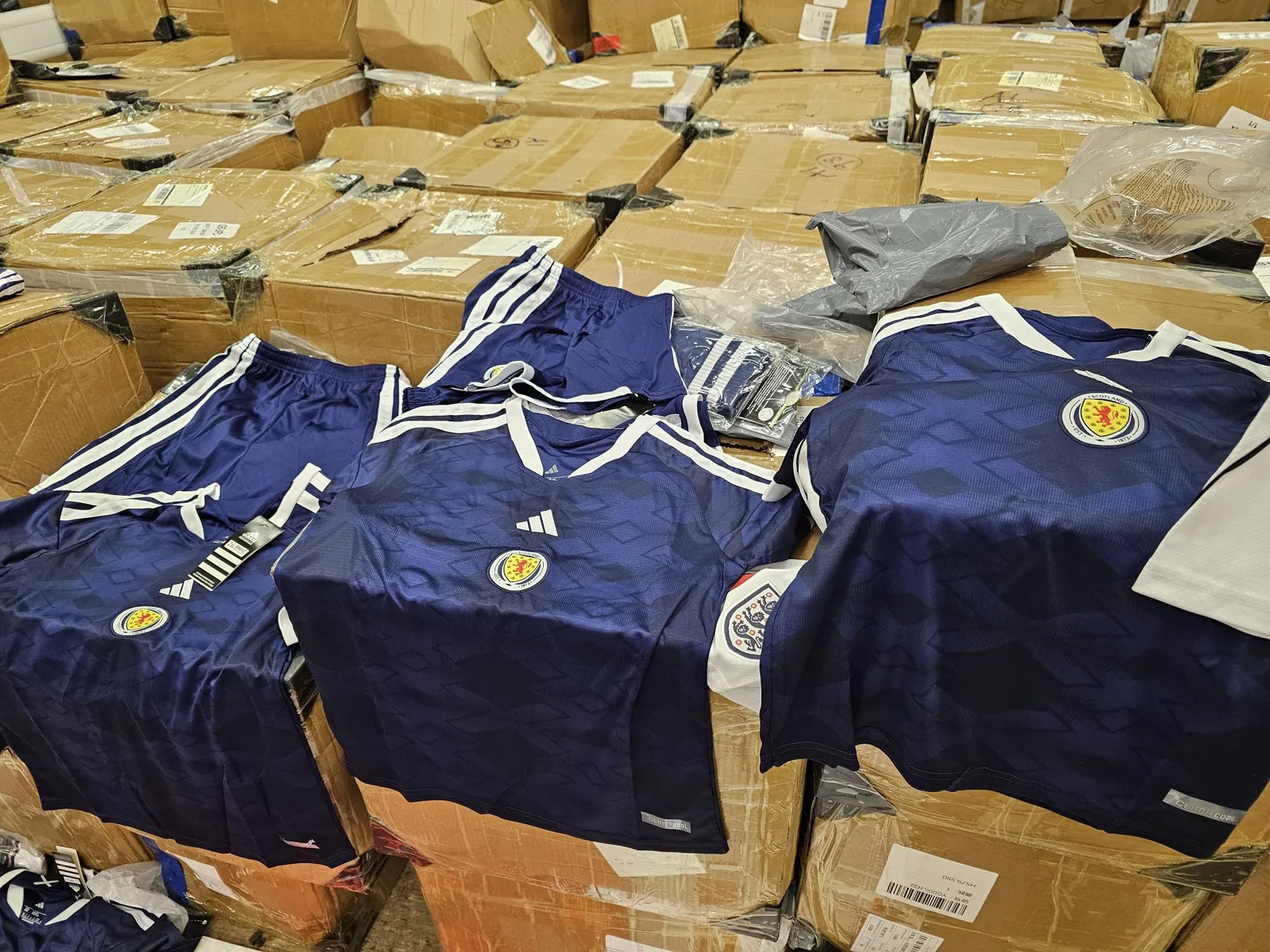
A significant operation in Edinburgh has led to the seizure of over 158,000 fake football strips, estimated to be worth around £5.5m. This action, described as one of the largest counterfeiting raids ever in the UK, targeted illicit merchandise intended for distribution during the FIFA World Cup 2026. The haul included nine tonnes of counterfeit kits, with a substantial portion comprising Scotland and England shirts, alongside those of other nations such as Spain and France.
The operation was a collaborative effort involving Edinburgh’s trading standards team, Police Scotland, and a national trading standards organisation. This intelligence-led initiative aimed to prevent criminals from profiting from the high demand for football merchandise during major sporting events.
Impact on Legitimate Businesses and Safety Concerns
The sale of counterfeit goods poses significant risks, not only to legitimate businesses but also to consumers. According to trading standards, these sham kits are often not manufactured to the same safety standards as authentic products. This can result in them containing harmful toxins in dyes or being made from flammable materials, posing potential health and safety hazards to buyers.
Neil Ross, an Edinburgh councillor and regulatory convener, emphasised that counterfeiting is not a victimless crime. He highlighted that counterfeiters undermine legitimate businesses, defraud supporters, and sell products without guarantees regarding their origin, manufacturing process, or adherence to basic safety standards. The investigations into the supply routes for these goods are ongoing, with authorities noting that such operations are often linked to organised crime, including human trafficking, modern slavery, and the exploitation of vulnerable individuals.
The international trade in counterfeit and pirated goods is a substantial global issue, with estimates placing its market value at approximately $467bn annually. This figure represents about 2.3% of global trade, according to the Chartered Trading Standards Institute. The recent seizure in Edinburgh represents a considerable blow to this illegitimate trade network.
Financial Repercussions for Football and Future Actions
The Scottish Football Association (SFA) has highlighted the severe financial impact of counterfeit merchandise on the sport. A spokesperson for the SFA explained that the organisation invests income generated from licensing, merchandising, and sponsorship into all levels of the game, from grassroots initiatives to senior international squads. The presence of counterfeit goods directly reduces these revenues, thereby affecting the amount of money that can be reinvested into Scottish football.
The SFA noted that Scotland’s return to the Fifa World Cup stage has understandably led to a significant increase in demand for official kits and merchandise. Unfortunately, major tournament involvement also correlates with a rise in the availability of counterfeit items. The loss of funds due to these fake products can impact local community clubs, charities, and key programmes, such as those supporting facilities.
Following confirmation from the companies owning the authentic brands, the seized fake shirts will be securely recycled. Investigations continue to track down the source and supply routes of these counterfeit goods, which are often part of broader international trade networks linked to criminal organisations.
The operation underscores the ongoing efforts to combat the illicit trade of counterfeit football merchandise, particularly during major sporting events like the World Cup.
Read Also
Source: theguardian.com

As News GB's Senior Football Correspondent, Lewis Hartnell reports on the Premier League, the EFL and the England national side for readers across the country. He reported on south-coast football for a regional title. He holds a degree in Sports Journalism from Solent University and completed an NCTJ diploma. Lewis lives in Southampton, where he watches youth football and follows the transfer market. “The week's training ground decides the weekend's headlines.”