Scotland: Steve Clarke resigns as head coach after World Cup exit
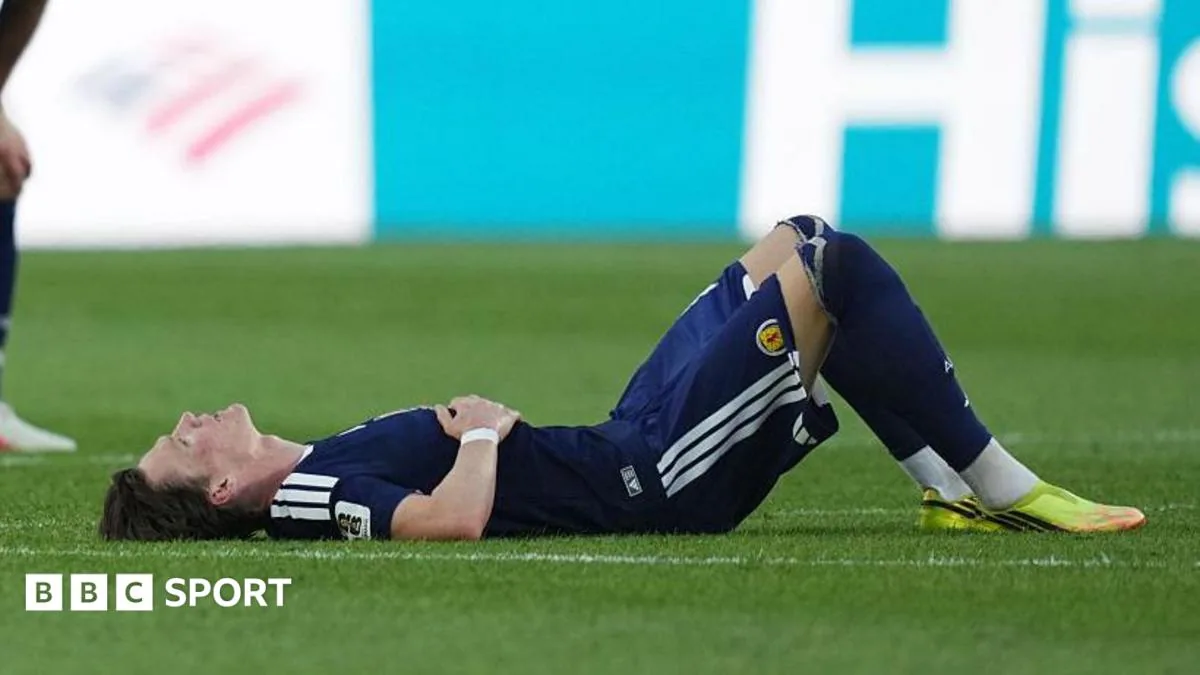

Clarke’s Departure Confirmed
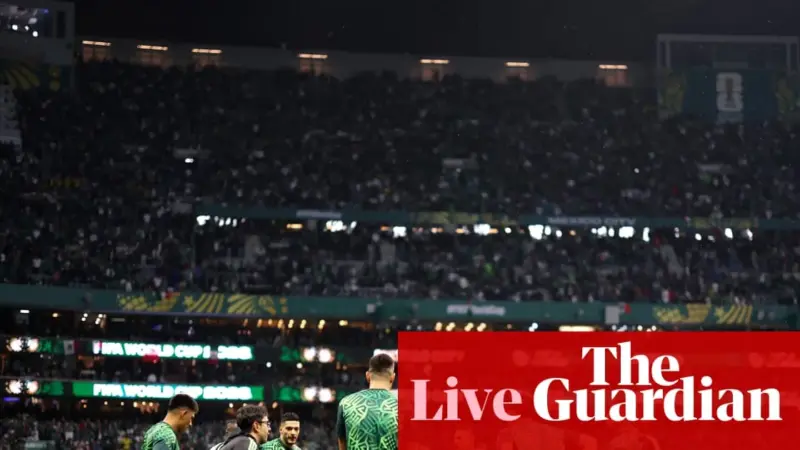
Steve Clarke has resigned from his position as head coach of the Scotland men’s national team following their exit from the World Cup. The announcement from the Scottish FA came shortly after Croatia’s victory over Ghana on Saturday, which confirmed Scotland’s elimination from the tournament. Players were informed of Clarke’s departure while still at their base in Charlotte.
This resignation comes despite Clarke having signed a new four-year deal only a month prior. His tenure, which began seven years ago, saw Scotland reach their first World Cup in 28 years, in addition to qualifying for two European Championships. However, the team struggled in all three major tournaments, securing only one win across the finals, which was against Haiti.
In an open letter to supporters, Clarke expressed his gratitude to the players. He stated that the most emotional part of his goodbye was for his players, acknowledging that without them, the memories accumulated since 2019 would not have been possible. He added that it was an honour to be their gaffer and wished his successor good luck.
World Cup Campaign and Elimination
Scotland’s World Cup journey began with a 1-0 victory over Haiti in their opening Group C match in Boston. This was followed by a 1-0 defeat to Morocco in the same city, and then a 3-0 loss to Brazil in Miami. These results left Scotland with a slim chance of progressing to the last 32 as one of the best third-placed teams, but this hope was extinguished three days after the Brazil defeat.
The team’s performance in the tournament was described by some as underwhelming, despite the qualification success. Defensive errors notably undermined their bid to advance, particularly in the game against Brazil. While the Tartan Army, the travelling support, were praised for their efforts to lift the team, the load proved too heavy for them to carry into the knockout stages.
Scotland’s campaign concluded with one goal scored throughout the tournament. The team played admirably in certain periods, specifically the second half against Morocco, where they applied pressure, and the second half against Brazil, where they managed attempts on target despite being 3-0 down. The team’s exit marks another instance of Scotland failing to progress beyond the group stages of a major tournament.

Reflecting on Clarke’s Legacy and Future Challenges
Ian Maxwell, Chief Executive of the Scottish FA, acknowledged the disappointment of the World Cup exit but highlighted the significant progress made under Clarke’s leadership over the past seven years. Maxwell noted that Scotland, which was a pot four team in 2019, topped their World Cup qualifying group under Clarke, fulfilling the mandate to return the nation to major tournaments. He thanked Clarke for his record-breaking contribution and anticipated that supporters would eventually appreciate the memories of seeing Scotland compete with pride once again.
Despite his achievements in qualifying Scotland for three major championships, questions have been raised regarding the team’s performances in these tournaments. Some observers have pointed to a perceived inability to maximise the potential of the squad, while others suggest that the players themselves may be over-praised for their level. There is also a broader discussion about the development of young talent within Scottish football and the opportunities provided by top-flight clubs.
The squad’s composition has also been a point of discussion. While players like Kieran Tierney and Andy Robertson are recognised for their quality, injuries have impacted their influence, and some players struggle for regular game time at their clubs. The team’s collective strength has been described as average at the World Cup level. The future now involves a search for Clarke’s successor, with the manager himself having signed a new deal just a month before his resignation.
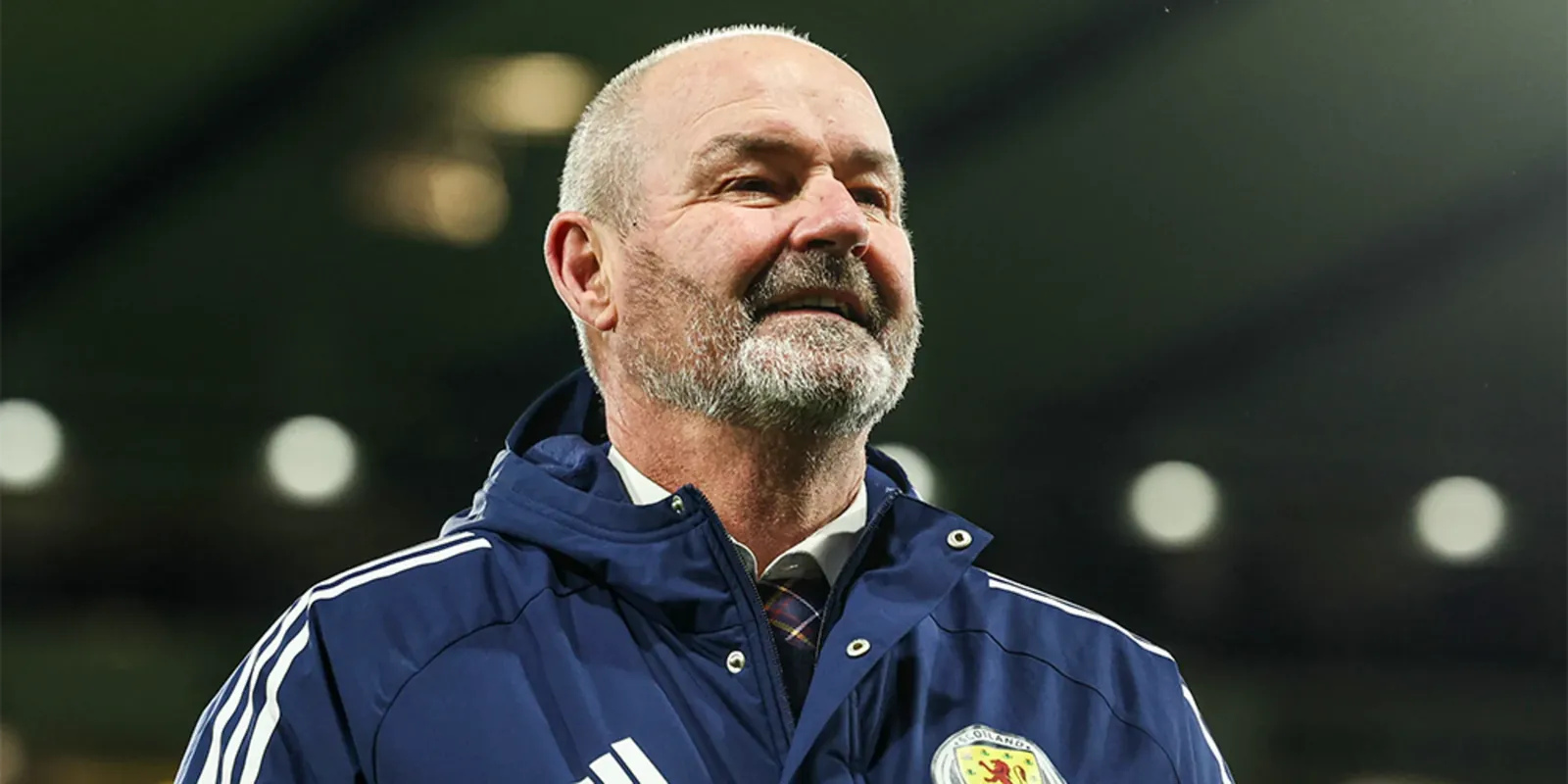
The departure of Steve Clarke initiates a period of reflection for Scottish football, with discussions likely to focus on how to develop more athletic and dynamic players for the future. The challenge remains to address the reluctance of Scottish clubs to provide opportunities for young talent, a long-standing issue that has been highlighted. The team’s early exit from the World Cup in the United States, despite the initial hopes, brings an end to Clarke’s seven-year tenure.
Read Also
- Seattle sees dramatic VAR decision as Iran's late winner against Egypt disallowed
- Wales prepares for Barbarians clash with eight Scarlets in squad
- Russell secures Austrian Grand Prix pole after dramatic qualifying session
- Atlanta to host crucial World Cup Group K match between DR Congo and Uzbekistan
Source: bbc.co.uk

Reuben Castle is the Sports News Writer at News GB, covering rugby union, golf and boxing with six years of reporting experience. He moved from print into digital sport news. He holds a degree in Journalism from Coventry University and completed an NCTJ diploma. Based in Coventry, he follows the Open Championship and amateur boxing. “Accuracy first; the analysis can follow.”